YouTube’s decision to remove the dislike count from videos in November 2021 has left many pondering the underlying motivations.
While the public explanation emphasizes the positive reinforcement and mental health of creators, some other considerations might be at play, including a strategic move to improve advertiser relationships. Let’s delve into why YouTube decided to hide dislikes.

Addressing Harassment and Bullying
The misuse of the dislike button for harassment and bullying became an alarming trend on YouTube. Many content creators found themselves targeted by mass dislikes, leading to demotivation and stress. By hiding the dislike count, YouTube aims to create a more positive and supportive environment, protecting creators from undue negative criticism.
Impact on Video Ranking and Visibility
Some creators and users have claimed that a large number of dislikes could cause a video to rank lower in the algorithm. While Google denies this, removing the dislike count can help mitigate any potential harm to a channel, thereby ensuring a fairer playing field.
Reducing Polarization and Encouraging Respectful Dialogue
With the rise of misinformation and polarization online, YouTube’s decision to remove dislikes may be part of a broader strategy to promote respectful and constructive dialogue.
By eliminating one avenue for negative engagement, the platform seeks to foster a more nuanced and empathetic conversation between creators and audiences.
Improving Advertiser Relationships
An often-overlooked aspect of the decision to hide dislikes might be linked to YouTube’s relationship with advertisers. Dislikes can negatively impact a brand’s image and perception, especially if a product or service receives mass downvoting.
By removing this feature, YouTube might be creating a more favorable environment for advertisers, making the platform more appealing for marketing campaigns.
Creators and Community Reaction
While YouTube’s intentions might be rooted in fostering positivity, not everyone agrees with the decision. Many creators see the removal of dislikes as a loss of essential feedback and a tool to gauge community sentiment.
The backlash from both large and small YouTubers reveals a disconnect between the platform’s decision and the desires of its community.
You might also enjoy:

How to Extract Data From a YouTube Channel
If you want to analyze a YouTube channel, the first challenge is turning all of its public information into structured data. That usually means extracting things like: video titles, views, duration, upload dates… Once that data is structured, you can sort it, compare channels, study publishing patterns, build datasets, or export everything into a spreadsheet.…


How to Find the Subscriber Growth of YouTube Channels in 2026
Uncover valuable tips and tools for tracking YouTube channel and subscriber growth.


How to Run an Influencer Marketing Campaign on YouTube in 2026
Learn to run a successful YouTube influencer ad campaign in 3 simple steps: prepare, find, and negotiate.
FAQ
Why did YouTube decide to hide dislikes?
YouTube hid dislikes to create a more positive environment, combat harassment, encourage respectful dialogue, and potentially improve advertiser relationships.
What impact does hiding dislikes have on video ranking?
Though Google has stated that hiding dislikes won’t affect video ranking, some creators believe that mass dislikes could negatively influence a video’s position in the algorithm, therefore, by removing the motivation for mass dislikes, creators don’t have to fear this specific case anymore.
How have content creators reacted to the removal of dislikes?
Many creators, both big and small, have voiced their disagreement with the decision, seeing it as a loss of essential feedback and a disconnect between the platform’s choices and the community’s needs.
Does hiding dislikes affect YouTube’s relationship with advertisers?
It’s speculated that by hiding dislikes, YouTube may create a more favorable environment for advertisers, enhancing the platform’s appeal for marketing campaigns.
Is there a way to see dislikes on YouTube now?
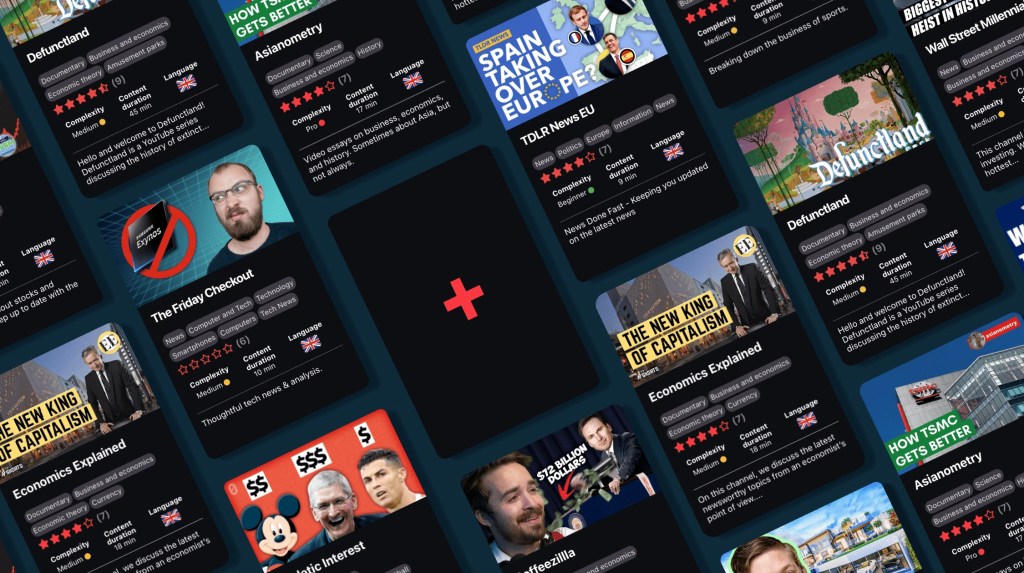
As of the change in November 2021, the number of dislikes is no longer publicly displayed. However, using third party browser extensions such as Dislike Return – Pro return the dislike count to be visible on any video. Additionally you can head to Favoree.io to find an average rating for a Youtuber before watching their videos.
What alternatives are there to gauge video quality without dislikes?
Without the dislike count, viewers may rely on comments, likes, and the reputation of the content creator to gauge the quality and authenticity of a video. Websites like Favoree.io and Reddit are great places to find ratings and reviews for various Youtubers.